Ground reinforcement and stabilization are essential in civil engineering, tunnelling, mining, and infrastructure construction. Depending on geological conditions, structural requirements, and project design, different reinforcement systems are used to improve ground stability, control deformation, and transfer loads safely into surrounding soil or rock.
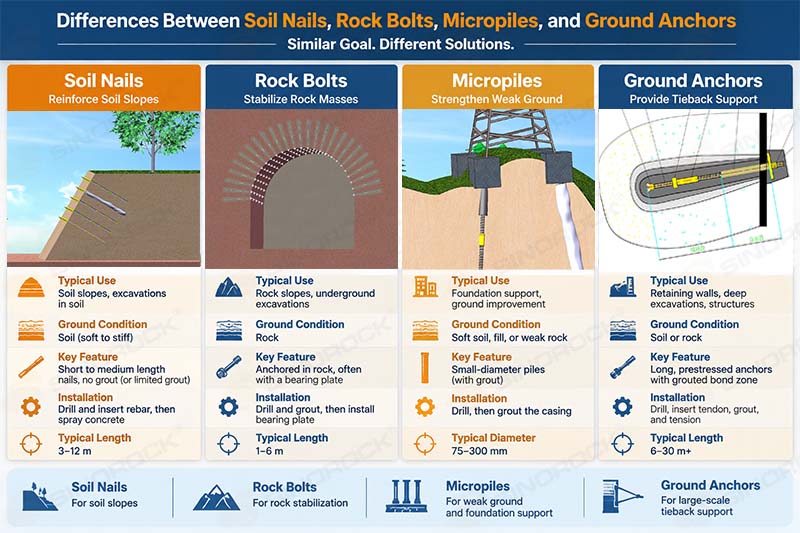
Among the commonly used solutions are soil nails, rock bolts, micropiles, and ground anchors. Although these systems serve different engineering purposes, they share a common objective: improving the interaction between ground conditions and structural support systems.
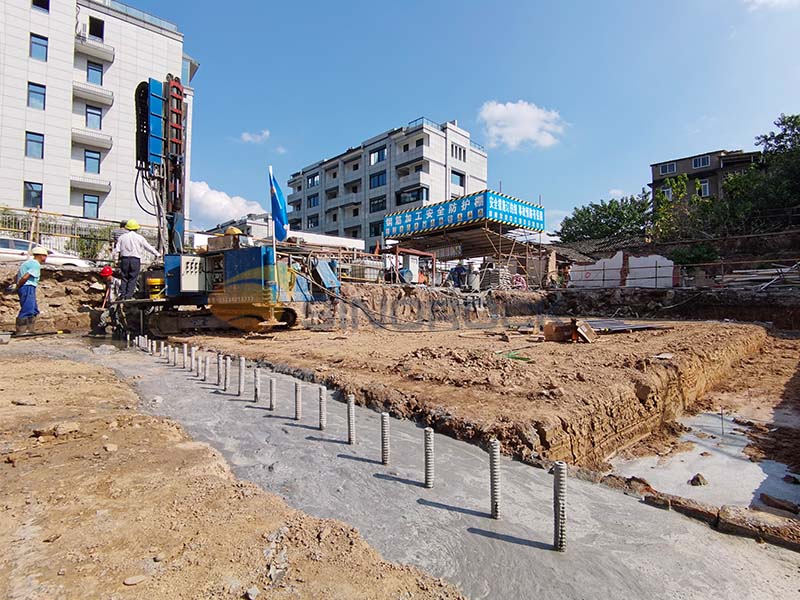
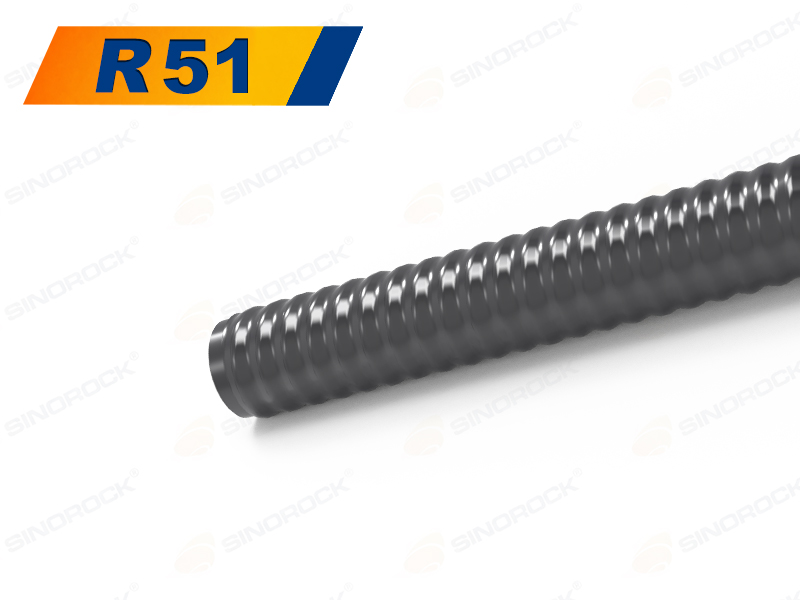
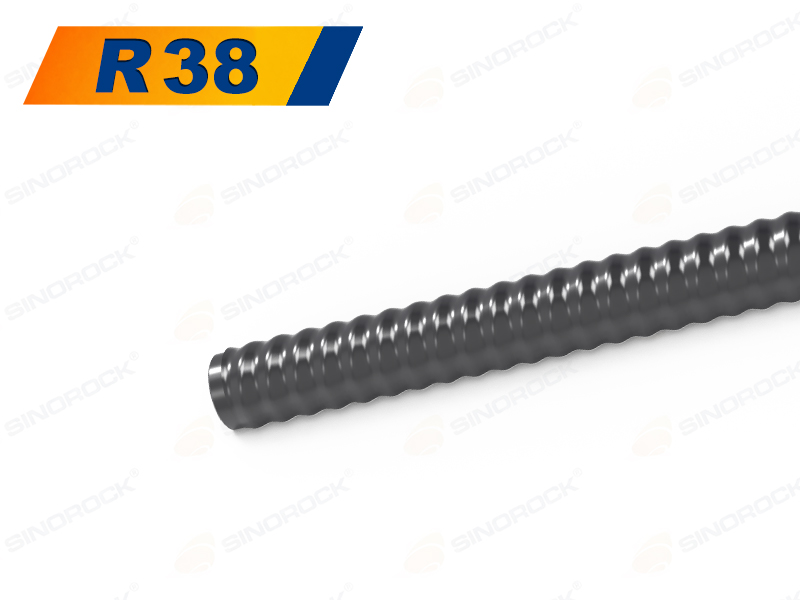
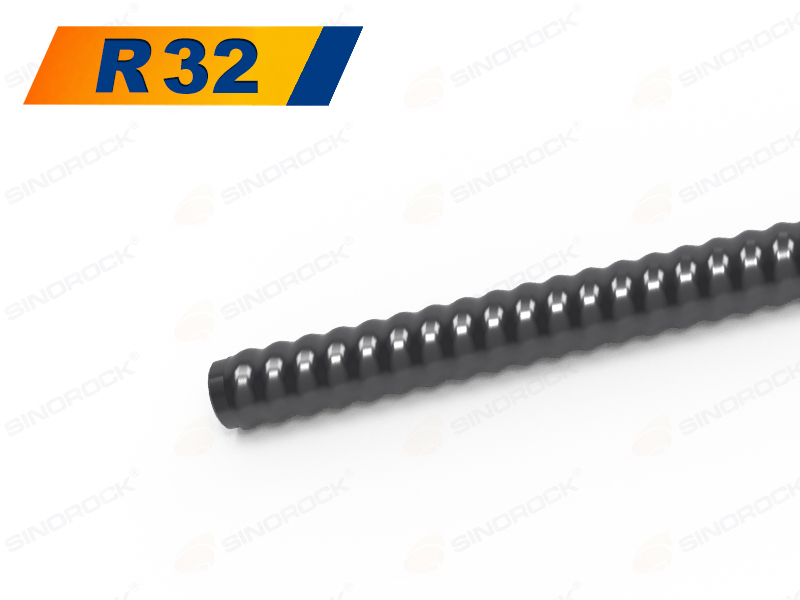
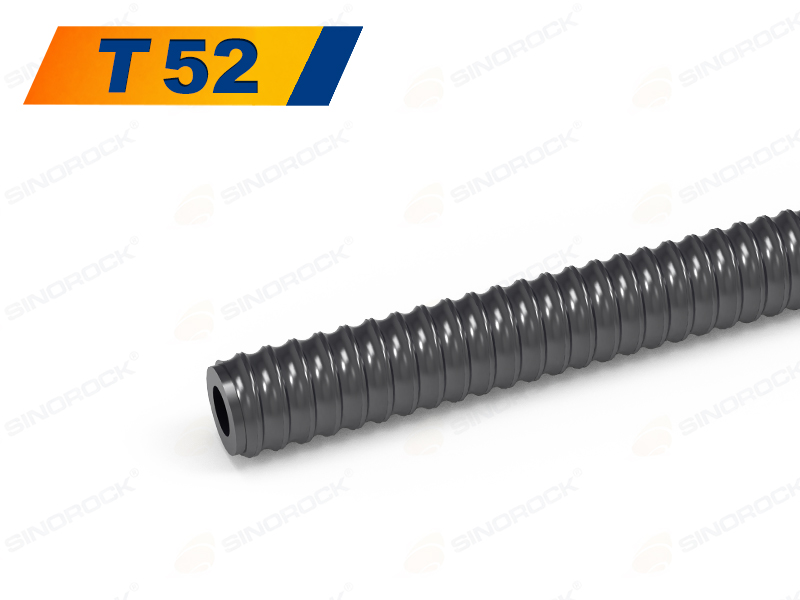
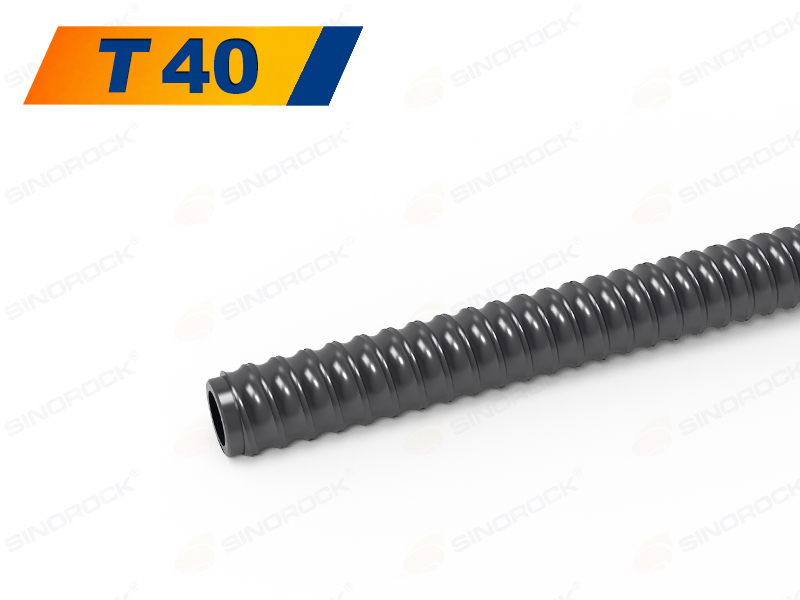
Hollow bar reinforcement systems, including self-drilling anchor systems, can be incorporated into several of these applications, particularly where difficult ground conditions, restricted access, or borehole instability present installation challenges.
Soil Nails: Reinforcing Slopes and Excavations
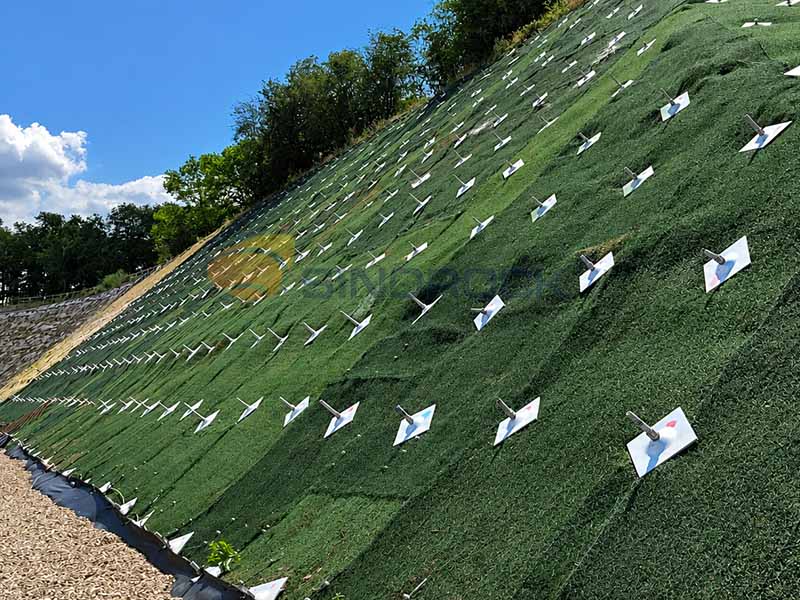
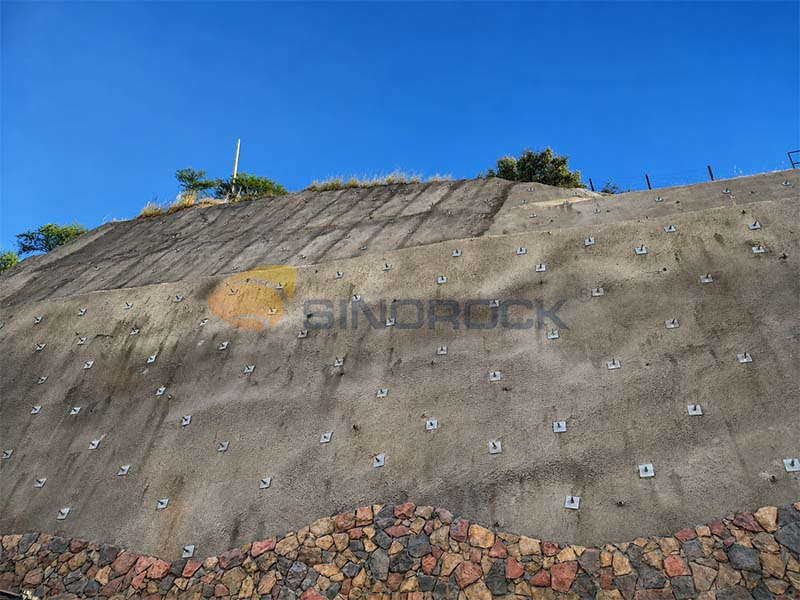
Soil nailing is a widely used ground reinforcement technique for stabilizing existing slopes, excavated faces, and retaining structures. It involves installing closely spaced reinforcing elements into the ground to create a reinforced soil mass.
Soil nails are generally installed at a downward or slightly inclined angle and work primarily in tension as the surrounding soil moves or deforms. Grouting helps establish the bond between the reinforcement and the surrounding ground, while facing systems provide surface protection and distribute loads.
Typical applications include:
- Permanent and temporary slope stabilization
- Excavation support in urban construction
- Highway and railway embankment reinforcement
- Retaining wall stabilization
- Landslide mitigation and ground improvement
In loose, granular, or water-bearing soils, maintaining borehole stability can be difficult during conventional soil nail installation. Self-drilling anchor systems offer an alternative installation method by combining drilling, grouting, and reinforcement placement in one operation. This can be particularly useful where conventional drilling methods require temporary casing or additional installation stages.
Rock Bolts: Stabilizing Rock Masses
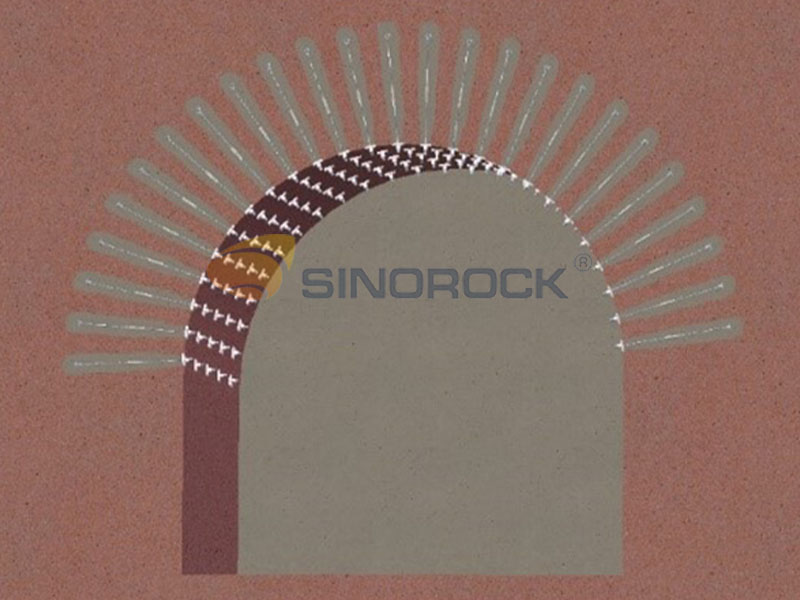
Rock bolting is a fundamental reinforcement method in underground and surface engineering. Rock bolts are installed into drilled holes to reinforce fractured, jointed, or potentially unstable rock masses.
By connecting discontinuous rock blocks and improving the overall integrity of the surrounding rock mass, rock bolts help control movement and reduce the risk of local instability.
Typical applications include:
- Underground mine roadways and tunnels
- Tunnel roof and sidewall reinforcement
- Rock slopes and cut slopes
- Hydropower and underground cavern construction
- Rock mass stabilization around underground openings
The selection of rock bolt systems depends on geological conditions, required load capacity, installation methods, and project design. In fractured rock or formations where boreholes are prone to collapse, hollow injection anchor systems can provide an effective installation option.
A sacrificial drill bit allows the reinforcement bar to advance through the ground, while grout is delivered through its hollow core. The bar remains in place as the reinforcing element after installation, providing a practical solution for challenging rock conditions.
Micropiles: Supporting Foundations in Restricted Conditions
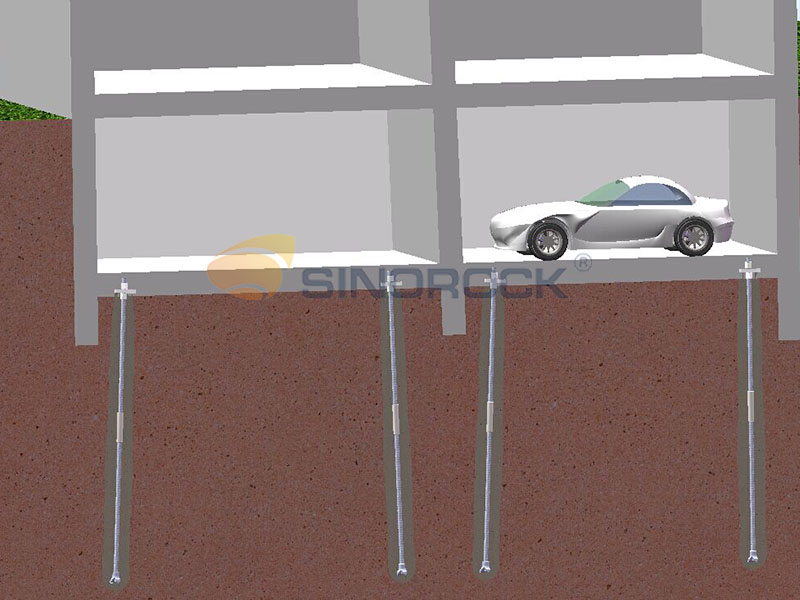
Micropiles are small-diameter, drilled and grouted foundation elements designed to transfer structural loads into deeper, more competent soil or rock layers. They can be designed to resist both compression and tension, depending on structural requirements and ground conditions.
Due to their relatively small installation footprint and adaptability, micropiles are particularly useful in projects where conventional piling equipment cannot be easily deployed.
Typical applications include:
- Foundation underpinning and structural rehabilitation
- New foundations in restricted-access locations
- Bridge and infrastructure foundation reinforcement
- Seismic retrofitting and structural strengthening
- Foundation construction in difficult ground conditions
Hollow bar systems can be used in micropile applications, with the reinforcement and grout forming part of the load-transfer system. Self-drilling micropiles are particularly relevant where loose soil, fractured rock, or unstable boreholes make conventional drilling and reinforcement insertion difficult.
Depending on the project design, anchor rod diameter, steel grade, grout properties, bond length, and installation parameters must be considered to meet the required structural performance.
Ground Anchors: Resisting Tensile Loads in Retaining Structures
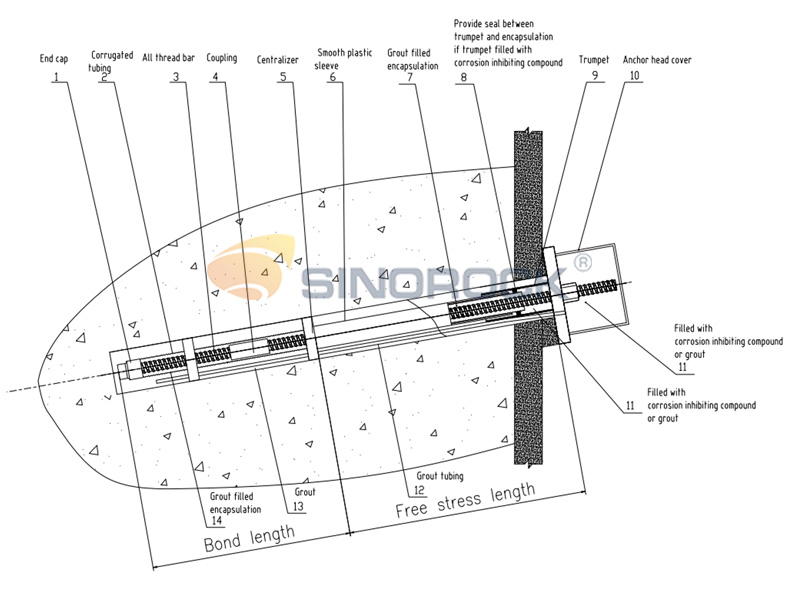
Ground anchors are designed to transfer tensile forces from structures into stable soil or rock. They are commonly used where retaining structures or other engineering elements require additional resistance against lateral pressure, uplift, or overturning forces.
A typical ground anchor consists of a tendon or reinforcing element, a fixed anchorage zone, and a free length that allows the required load transfer and structural movement control.
Typical applications include:
- Retaining walls and deep excavation support
- Bridge abutments and foundation structures
- Slope stabilization
- Underground structures subjected to uplift forces
- Cofferdams and other temporary retaining systems
Depending on the ground conditions and design requirements, self-drilling hollow bar systems can also be adopted as ground anchors. Their drilling and grouting process can simplify installation in unstable formations where maintaining an open borehole is difficult.
The anchorage design must account for tensile capacity, bond resistance, ground conditions, corrosion protection, and the required service life of the structure.
Selecting the Right Reinforcement Solution
Although soil nails, rock bolts, micropiles, and ground anchors may use similar reinforcement materials, they are not interchangeable applications. Each system has distinct structural functions, load-transfer mechanisms, and design considerations.
The appropriate solution depends on several factors:
- Ground conditions: Soil type, rock quality, groundwater, and borehole stability.
- Structural requirements: Tensile or compressive loading, bond capacity, and deformation control.
- Installation constraints: Available working space, drilling equipment, construction sequence, and access conditions.
- Durability requirements: Exposure conditions, corrosion protection, and intended service life.
- Project specifications: Applicable standards, design criteria, testing requirements, and quality control.
Self-drilling anchor systems provide an adaptable reinforcement option across selected soil nailing, rock bolting, micropile, and ground anchoring applications. Their suitability should always be evaluated against the specific engineering design and site conditions.
Conclusion
Soil nails, rock bolts, micropiles, and ground anchors each play an important role in modern ground engineering. From stabilizing slopes and fractured rock masses to supporting foundations and retaining structures, these systems help address a wide range of geotechnical challenges.
With the development of drilling and reinforcement technologies, self-drilling anchor solutions have become useful options for projects involving difficult ground conditions and demanding installation requirements. Selecting the right system requires a clear understanding of the ground, structural loads, and project-specific engineering objectives.