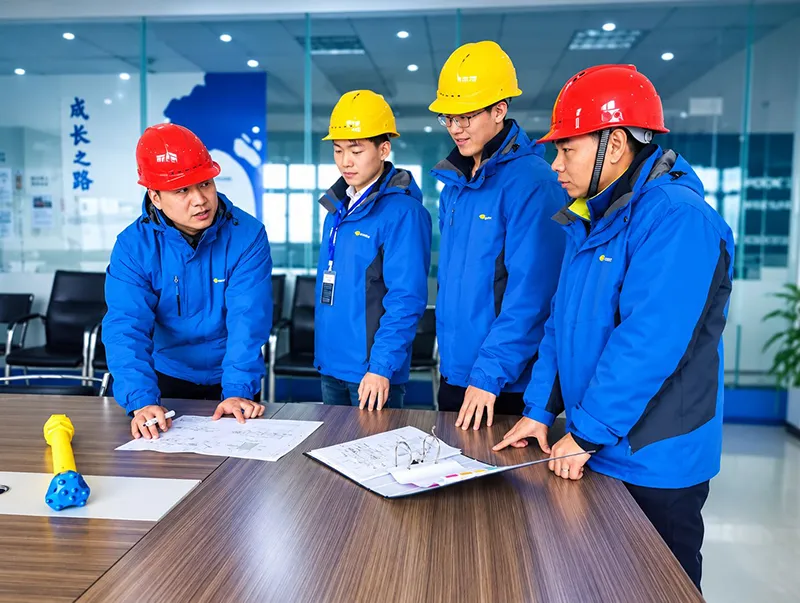
Soil nailing is a widely used ground reinforcement technique for stabilizing slopes, supporting excavations, and reinforcing unstable soil masses. However, not all soil nailing systems are installed or configured in the same way. Different types of soil nails can vary in installation method, reinforcement configuration, material, and corrosion protection, and these differences directly affect their construction process, performance, durability, and suitability for specific ground conditions.
Understanding the different types of soil nailing is therefore essential for selecting an appropriate system for each project. This guide explains the main types of soil nails, their installation methods, advantages, limitations, applications, and the key factors to consider when choosing a soil nailing system.
Types of Soil Nailing by Installation Method
The installation method is one of the most important ways to classify soil nails because it directly affects construction sequence, equipment requirements, installation speed, and suitability for different ground conditions.
Drilled and Grouted Soil Nails
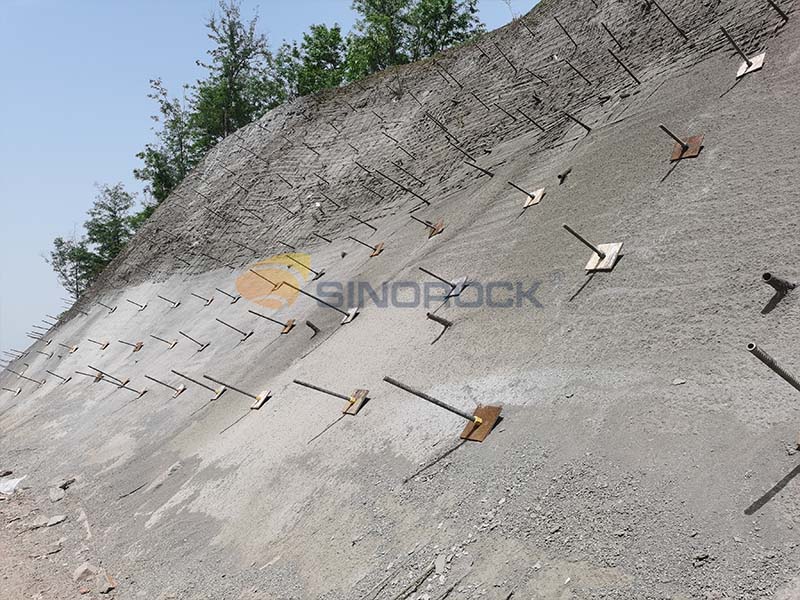
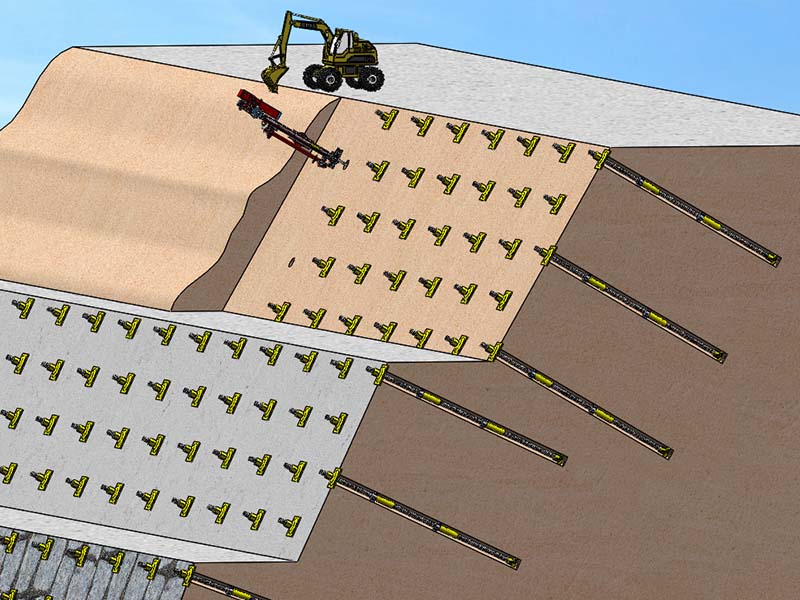
Drilled and grouted soil nails are a conventional and widely used soil nailing system. The method involves drilling a borehole to the required depth, inserting a reinforcing bar, and filling the annular space with cementitious grout.
The typical installation sequence is: Excavation → Drilling → Reinforcement Installation → Grouting → Facing
A solid steel bar is normally inserted into the drilled hole. Centralizers may be installed along the bar to maintain its position and provide adequate grout coverage. Cement grout is then introduced into the borehole to create a bond between the reinforcement and surrounding soil.
Different drilling techniques can be selected according to ground conditions, including rotary and rotary-percussive drilling.
Advantages of Drilled and Grouted Soil Nails
- Well-established construction method
- Suitable for a wide range of soil conditions
- Reliable load transfer through the grout-soil interface
- Allows the borehole diameter and alignment to be controlled during construction
- Suitable for relatively long soil nails
- Compatible with reinforced shotcrete and other facing systems
Limitations
The main limitation is borehole stability. In loose, collapsing, highly fractured, or water-bearing ground, the borehole may not remain open long enough for reinforcement installation and grouting.
Additional measures such as temporary casing or alternative drilling techniques may therefore be required.
Typical Applications
Drilled and grouted soil nails are commonly used for:
- Highway and railway slope stabilization
- Building excavation support
- Foundation pits
- Retaining structures
- Bridge approaches and abutments
- General soil stabilization projects
Self-Drilling Soil Nails
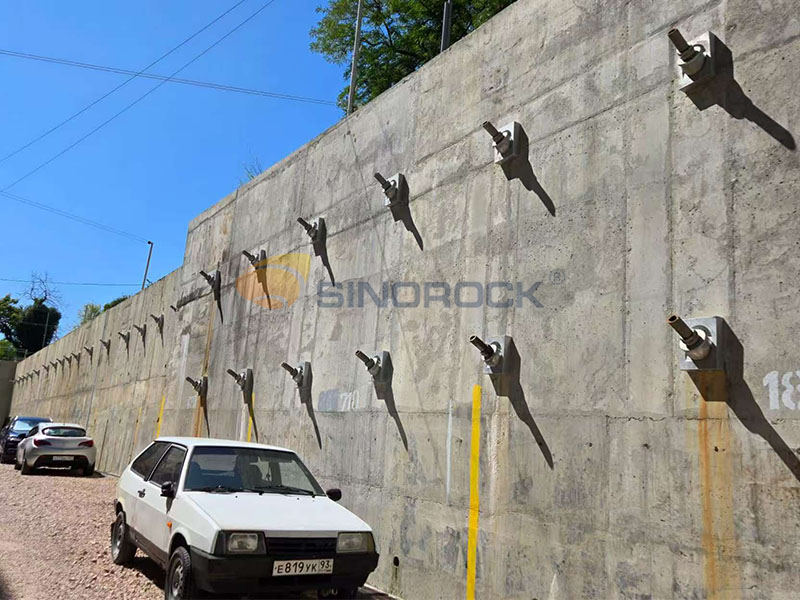
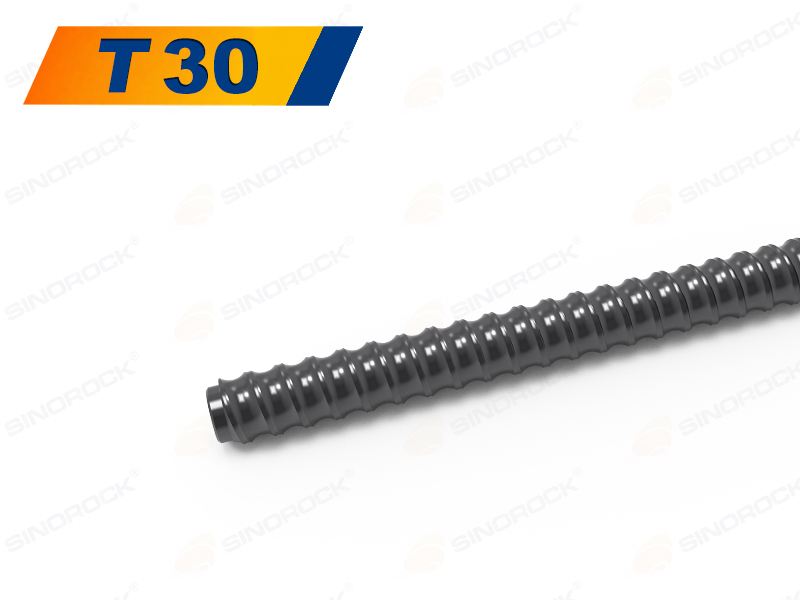
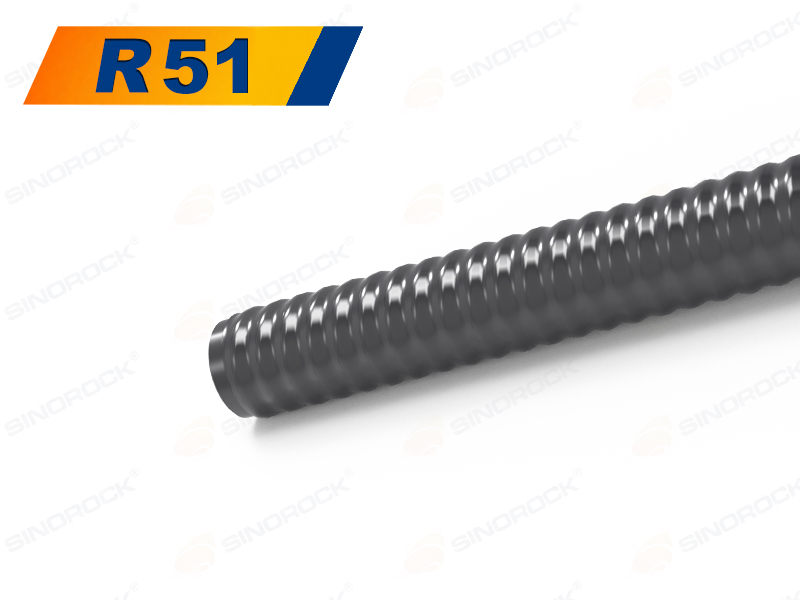
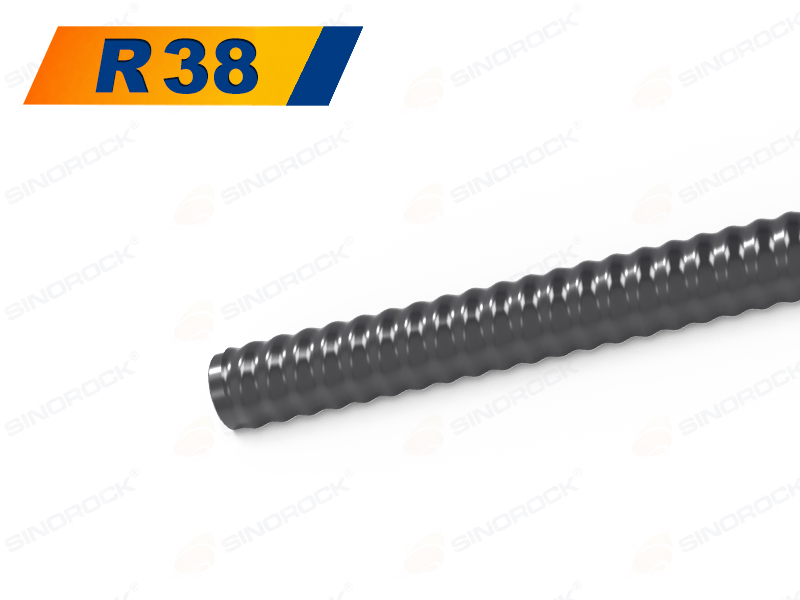
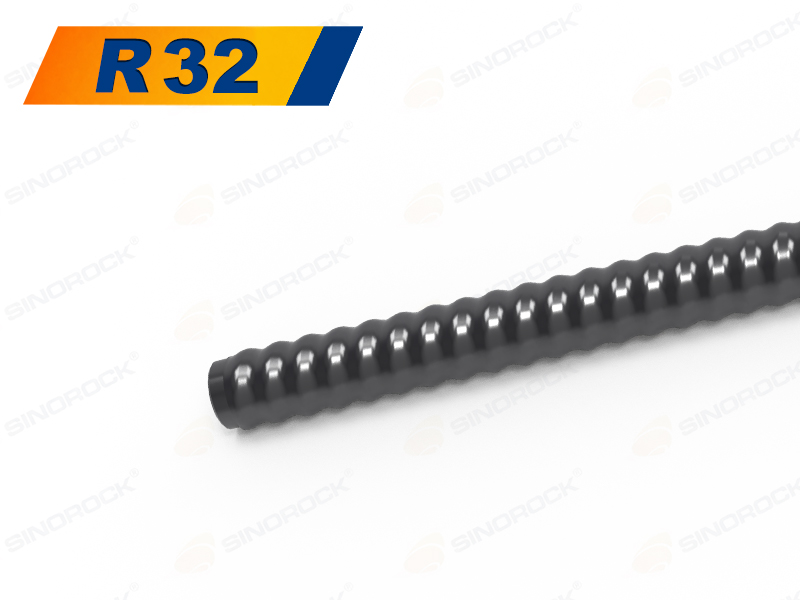
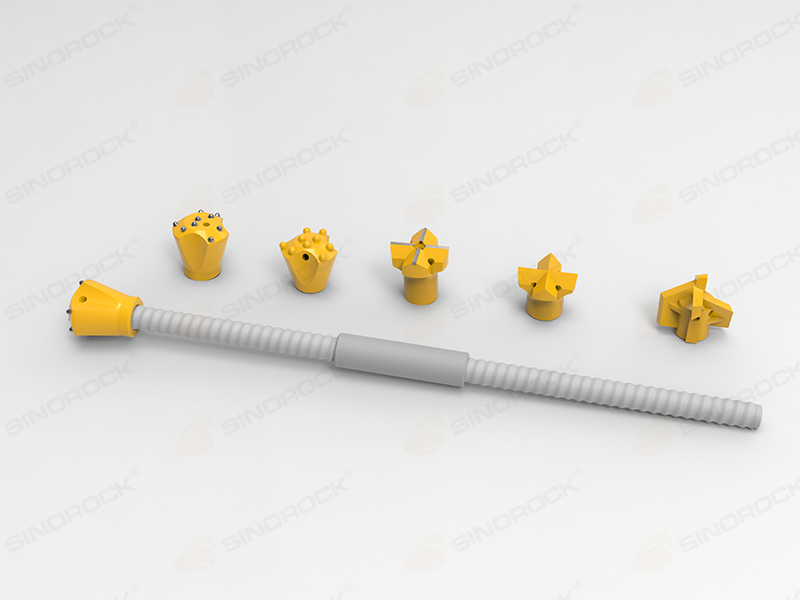
Self-drilling soil nails use hollow steel bars that function as both the drilling element and permanent reinforcement.
A sacrificial drill bit is attached to the end of the hollow bar. During installation, the bar advances into the ground while grout can be injected through the hollow center of the bar and discharged through the drill bit.
This integrates drilling, reinforcement installation, and grouting into a single construction process. The basic principle can be summarized as: Drilling + Grouting + Reinforcement Installation
How Do Self-Drilling Soil Nails Work?
The hollow bar is connected to drilling equipment and fitted with a suitable drill bit for the ground conditions.
As the drilling operation progresses:
- The drill bit penetrates the ground.
- The hollow bar advances with the drill bit.
- Grout is pumped through the internal bore of the bar.
- Grout exits through the drill bit.
- The surrounding ground is filled with grout.
- The hollow bar remains in the ground as the permanent reinforcement.
- A bearing plate and nut are installed at the nail head.
Because the reinforcement remains in the ground, there is no need to remove the drilling rod after installation.
Advantages of Self-Drilling Soil Nails
Self-drilling systems are particularly useful where conventional borehole installation is difficult.
Key advantages include:
- Drilling and reinforcement installation are integrated
- Grouting can be performed through the hollow bar
- Reduced dependence on maintaining an open borehole
- Suitable for loose and unstable ground
- Good adaptability to difficult drilling conditions
- Efficient installation sequence
- Different drill bits can be selected for different ground formations
- Typical Applications
Self-drilling soil nails are commonly considered for loose soils, collapsing soils, gravelly ground, mixed soil and rock, weathered formations, landslide stabilization, difficult-access sites, excavation support, and slope stabilization.
For unstable ground where a conventional drilled hole may collapse before reinforcement and grout can be installed, self-drilling soil nails can provide a practical alternative.
Driven Soil Nails
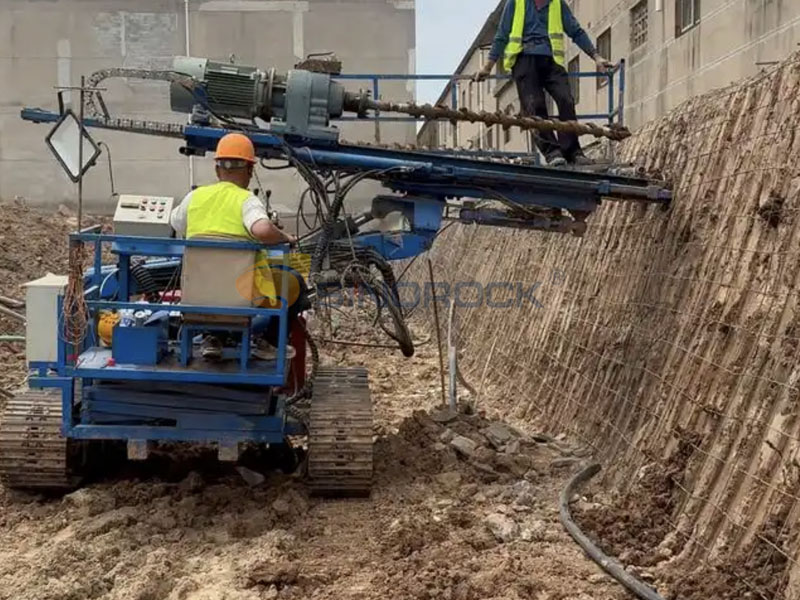
Driven soil nails are installed directly into the ground without first drilling a conventional borehole. Steel bars, rods, or other reinforcing elements are driven into the soil using suitable impact or vibratory equipment. The surrounding soil provides resistance around the installed reinforcement.
The general installation process is: Positioning → Driving → Bearing Plate Installation → Facing. Compared with drilled and grouted systems, driven nails can have a relatively simple installation sequence and can be installed rapidly when the ground is sufficiently penetrable.
Advantages
- Fast installation
- Simple construction sequence
- Limited drilling spoil
- No conventional grouting operation
- Suitable for certain temporary stabilization projects
Limitations
Driven soil nails are strongly dependent on ground conditions. Dense or hard soils, large gravel, rock fragments, and underground obstructions can make installation difficult.
Corrosion protection also requires particular attention, especially when driven nails are considered for permanent applications.
Typical Applications
Driven soil nails may be considered for:
- Temporary excavation support
- Temporary slope stabilization
- Emergency stabilization
- Soft or relatively penetrable soils
- Projects where rapid installation is required
Types of Soil Nails by Reinforcement Configuration
Another way to classify soil nails is according to the configuration of the reinforcing bar. The two main configurations are solid-bar and hollow-bar soil nails.
Solid-Bar Soil Nails
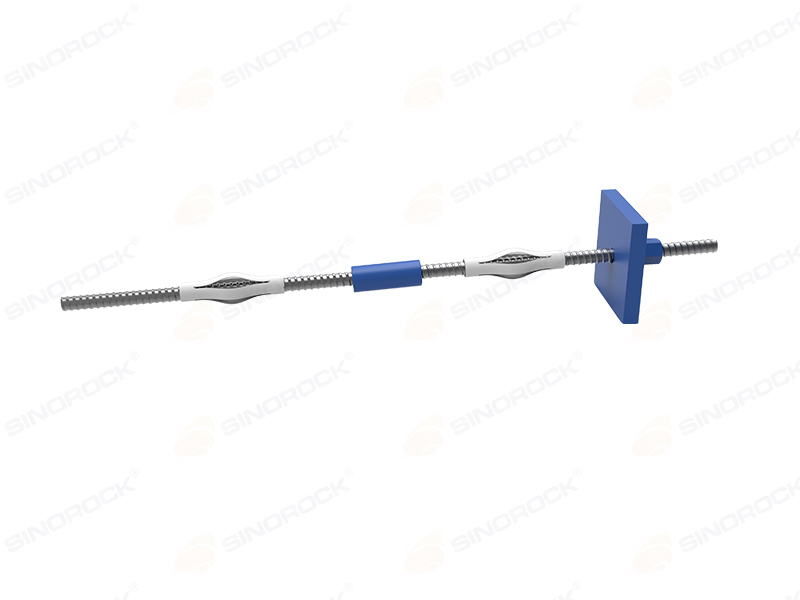
Solid-bar soil nails use conventional solid steel reinforcement. Solid-bar reinforcement is commonly used in conventional drilled and grouted soil nailing systems. The borehole is drilled first, followed by reinforcement installation and grouting.
A typical system consists of: Solid Steel Bar + Cement Grout + Bearing Plate + Nut
Advantages
- Simple structural configuration
- High tensile strength
- Wide range of steel grades and diameters
- Established installation and design practices
- Suitable for many conventional soil nailing applications
Typical Applications
- Slope stabilization
- Excavation support
- Highway and railway slopes
- Retaining structures
- General ground reinforcement
Hollow-Bar Soil Nails
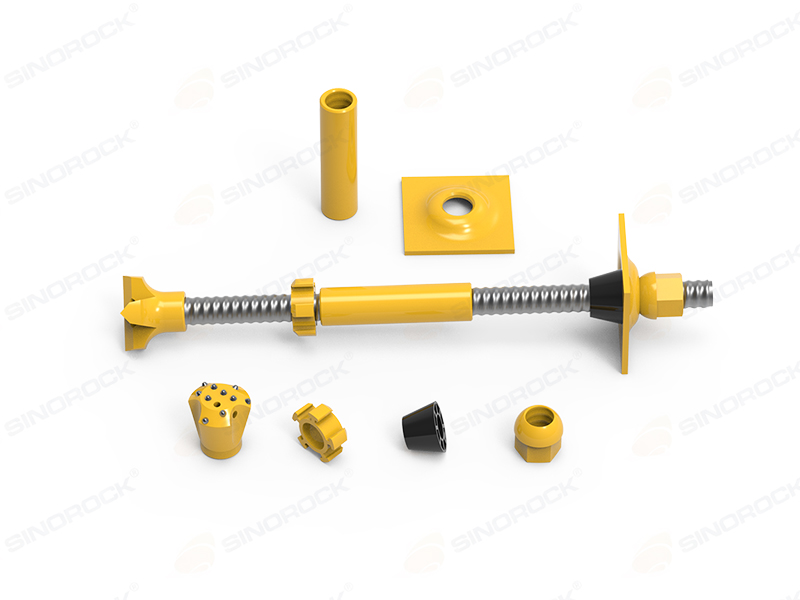
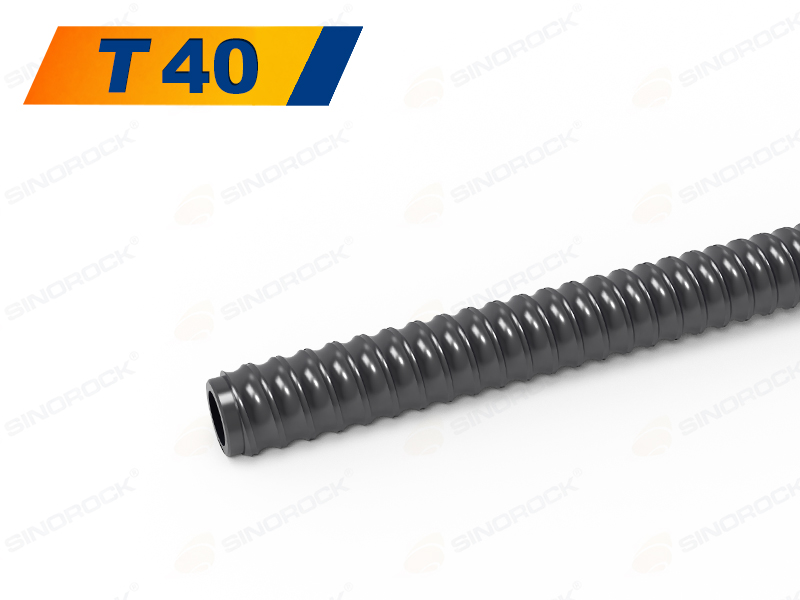
Hollow-bar soil nails use steel reinforcement with a continuous internal bore. The hollow section provides a channel through which grout can be delivered. In self-drilling systems, the hollow bar also serves as the drilling rod and remains in the ground as the permanent reinforcement.
A typical system may include:
- Hollow steel bar
- Drill bit
- Coupler
- Nut
- Bearing plate
- Centralizer
- Cement grout
Advantages
- Internal channel for grout delivery
- Can integrate drilling and grouting
- Suitable for difficult ground
- Reduces dependence on an open borehole
- Suitable for self-drilling applications
The terms hollow-bar soil nail and self-drilling soil nail describe different characteristics of a system. Hollow-bar primarily refers to the configuration of the reinforcement, while self-drilling refers to the installation method.
Therefore, a self-drilling soil nail commonly uses a hollow bar, but hollow-bar and self-drilling should not be treated as identical classification terms.
Types of Soil Nails by Material
The material used for the reinforcing element affects tensile strength, stiffness, weight, corrosion resistance, and handling requirements.
Steel Soil Nails
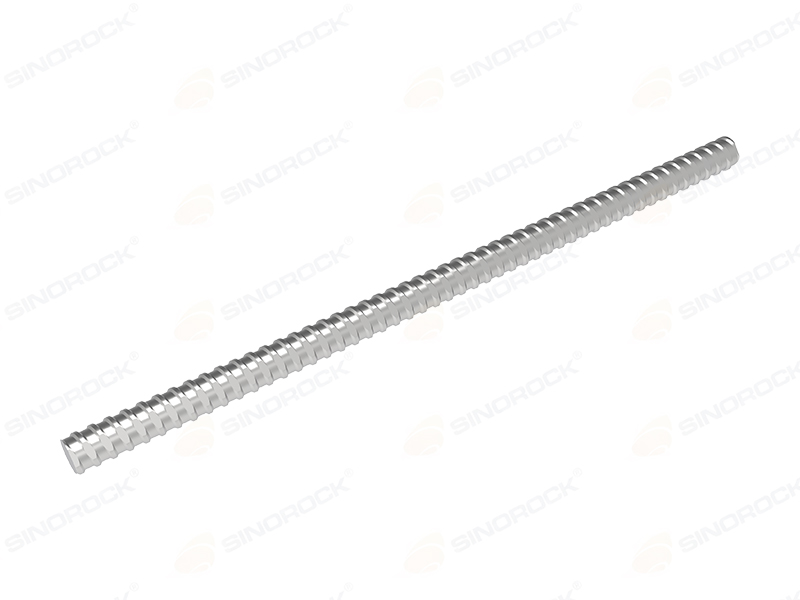
Steel is the most widely used material for soil nail reinforcement. Common steel soil nail components include threaded steel bars, couplers, nuts, bearing plates, and centralizers.
Steel nails can be used in both temporary and permanent applications, provided that the selected reinforcement and corrosion protection system meet the project requirements.
Steel soil nails provide:
- High tensile strength
- High stiffness
- Reliable mechanical performance
- A wide range of sizes and grades
- Compatibility with threaded connections and accessories
For applications requiring enhanced durability, steel reinforcement can be combined with additional corrosion protection such as galvanizing, epoxy coating, or other protective systems.
Fiber-Reinforced Polymer Soil Nails
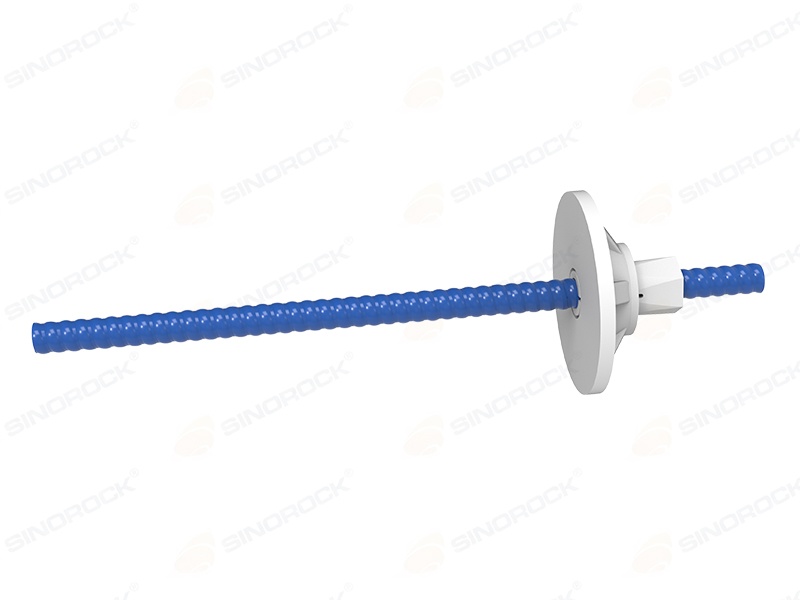
Fiber-Reinforced Polymer (FRP) reinforcement can also be used in selected soil nailing applications. A common FRP material is GFRP — Glass Fiber-Reinforced Polymer.
Advantages of FRP Soil Nails
FRP reinforcement can provide:
- High corrosion resistance
- Low weight
- Favorable strength-to-weight ratio
- Easier handling
- Suitability for selected chemically aggressive environments
FRP and steel have different mechanical properties and stiffness characteristics. Their connection systems and load-transfer behavior also differ.
Therefore, FRP soil nails should be designed according to their specific material properties and the requirements of the project rather than being considered a direct replacement for steel reinforcement in every application.
Types of Soil Nails by Corrosion Protection
Corrosion protection is an important consideration for soil nails, particularly when reinforcement is intended for permanent structures or aggressive ground conditions.
The protection system should be selected according to the required service life, soil and groundwater conditions, environmental exposure, and applicable design standards.
Cement-Grouted Soil Nails
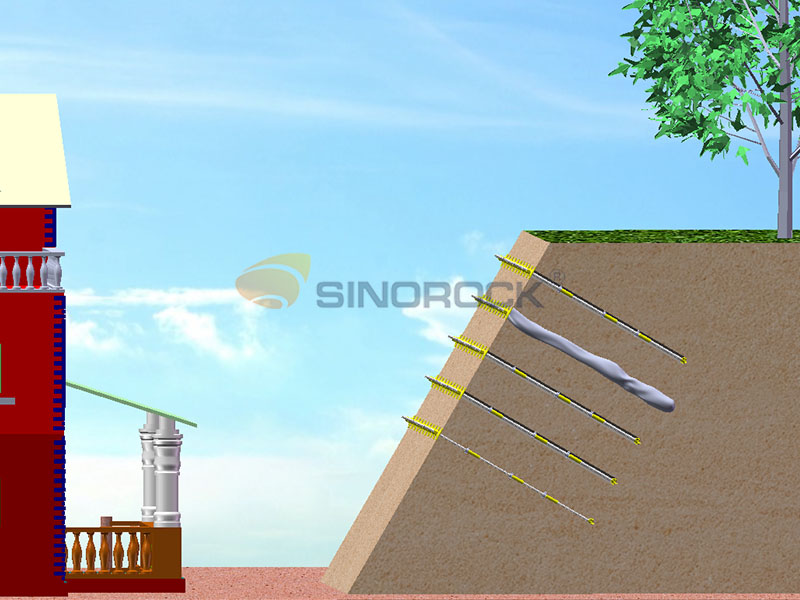
Cement grout provides an important layer of protection around steel reinforcement. When the steel bar is properly surrounded by grout, the grout helps isolate the steel from the surrounding environment and provides an alkaline environment around the reinforcement.
The effectiveness of grout-based corrosion protection depends on factors such as:
- Grout quality
- Grout coverage
- Cracking
- Groundwater conditions
- Soil chemistry
- Required service life
- Construction quality
Galvanized Soil Nails
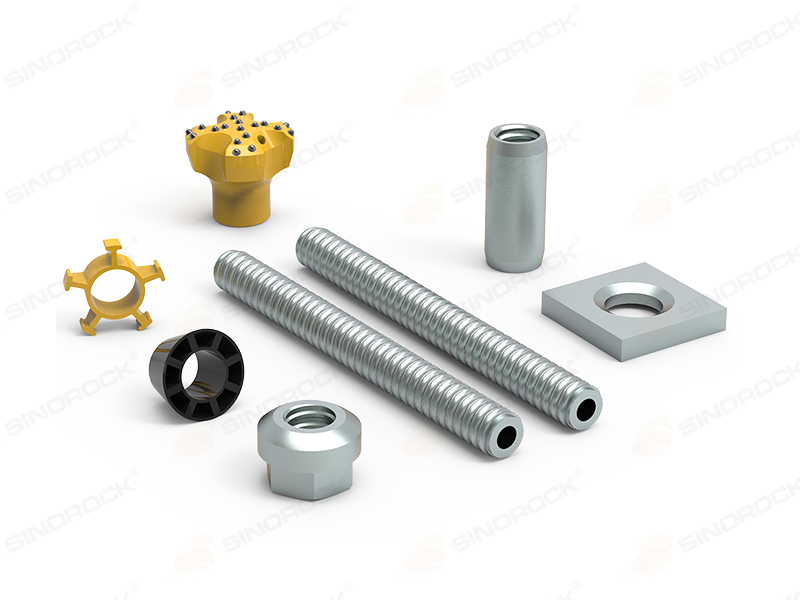
Galvanized soil nails have a zinc coating applied to the steel surface to provide additional corrosion protection. Galvanizing creates a protective layer between the steel and the surrounding environment and can be considered when increased corrosion resistance is required.
For permanent applications, galvanization may be combined with grout or other protective measures depending on the project requirements.
Epoxy-Coated Soil Nails
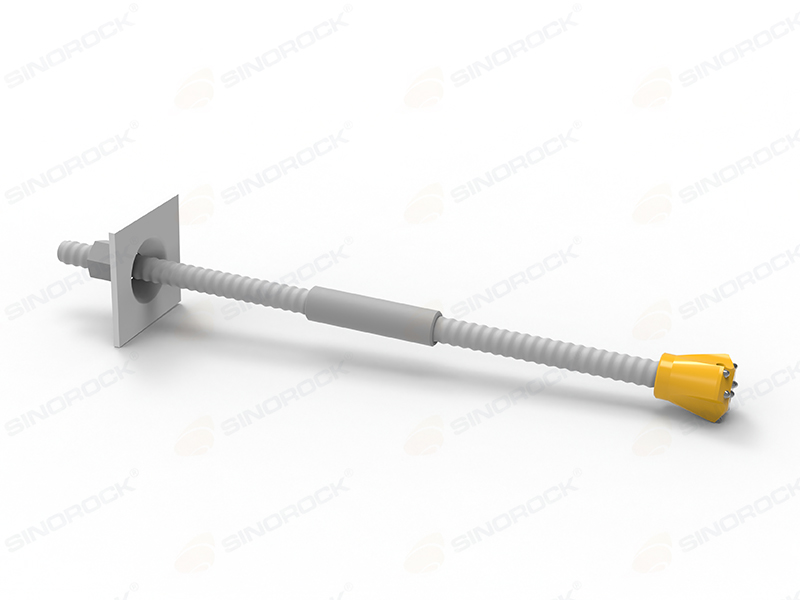
Epoxy-coated soil nails use a protective polymer coating as a barrier between the steel reinforcement and the surrounding environment. The coating can improve corrosion resistance by reducing direct exposure of the steel to moisture and aggressive substances.
The effectiveness of an epoxy protection system depends on coating quality and maintaining coating integrity during manufacturing, handling, transportation, and installation.
Sheathed Soil Nails
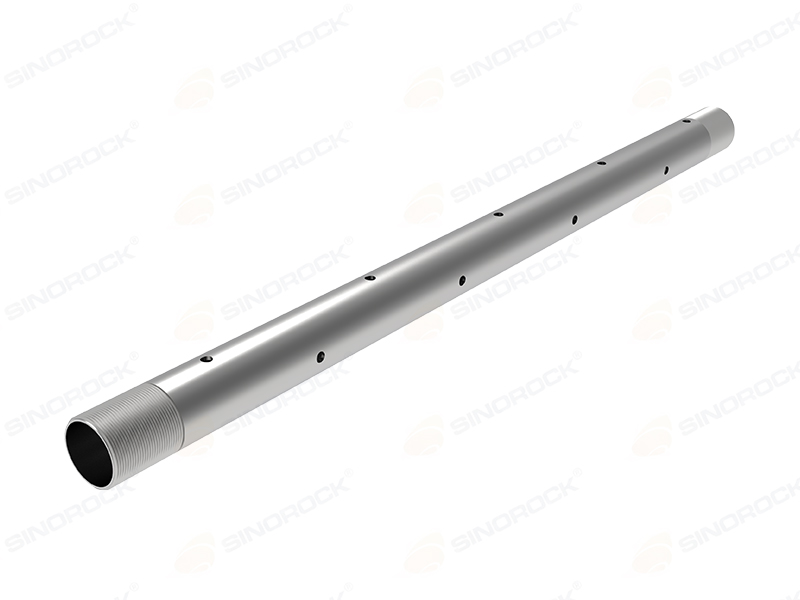
Sheathed soil nails incorporate a protective sheath around the reinforcement. The sheath provides a physical barrier between the steel and surrounding soil or groundwater. Sheathing can form part of a dedicated corrosion protection system for applications where enhanced durability is required.
Duplex and Combined Corrosion Protection
For demanding permanent applications, multiple corrosion protection measures can be combined. One example is Galvanizing + Epoxy Coating.
Additional protection may also involve the combination of coatings, sheathing, and cement grout. The objective is to provide multiple protective barriers and improve the durability of the reinforcement over the required design life.
The appropriate corrosion protection system should be determined according to the environmental exposure and project-specific requirements.
How to Choose the Right Type of Soil Nail?
Selecting the appropriate soil nail requires consideration of more than one factor. Ground conditions, construction method, reinforcement requirements, corrosion risk, and project duration should all be evaluated.
Ground Conditions
Ground conditions are one of the most important factors in soil nail selection.
- Stable Soil: Where the drilled hole can remain stable during construction, drilled and grouted soil nails can provide a conventional and reliable solution.
- Loose or Collapsing Soil: Where maintaining an open borehole is difficult, self-drilling soil nails can provide greater construction adaptability because drilling and grouting can be integrated.
- Soft and Penetrable Soil: Driven soil nails may be considered where the ground can be penetrated effectively using the available equipment.
Construction Access
Site conditions can influence the choice of installation method. Projects may have limited working space, steep slopes, restricted drilling height, existing structures, or difficult equipment access. In such conditions, the equipment size, drilling method, reinforcement handling, and installation sequence should all be considered. Self-drilling systems can be particularly useful where a simplified installation process is beneficial.
Structural Requirements
The selected soil nail should satisfy the structural and geotechnical requirements of the project. Important parameters include nail tensile capacity, pullout resistance, nail length, bar diameter, nail spacing, nail inclination, grout-soil bond strength, and facing capacity.
These parameters should be determined through project-specific geotechnical design and verified through appropriate testing where required.
Project Duration and Corrosion Risk
The required service life affects corrosion protection requirements. Temporary works may have different protection requirements from permanent structures. Permanent soil nailing systems may require additional corrosion protection depending on the aggressiveness of the surrounding soil and groundwater.
Potential protection measures include cement grout, galvanizing, epoxy coating, protective sheathing, combined protection systems, and corrosion-resistant FRP reinforcement.
Soil Nailing Applications
Different soil nailing systems can be applied to a wide range of geotechnical projects.
Slope Stabilization
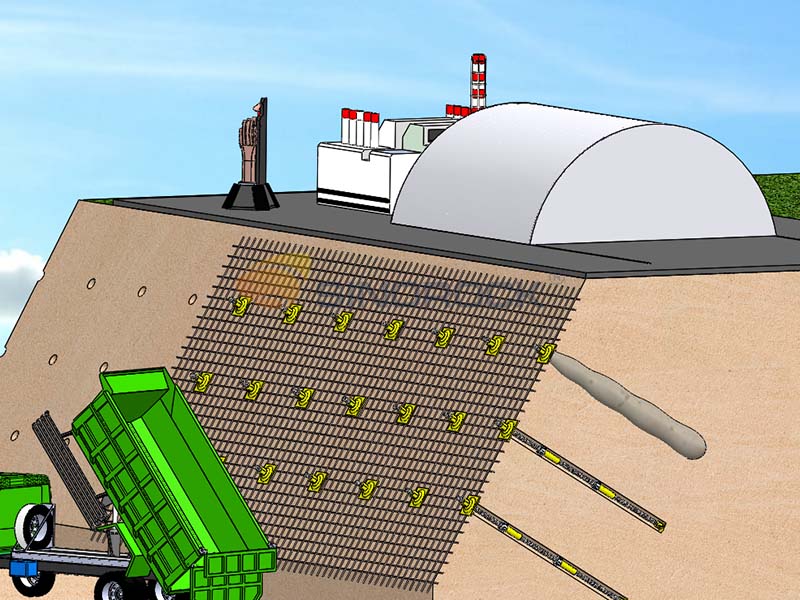
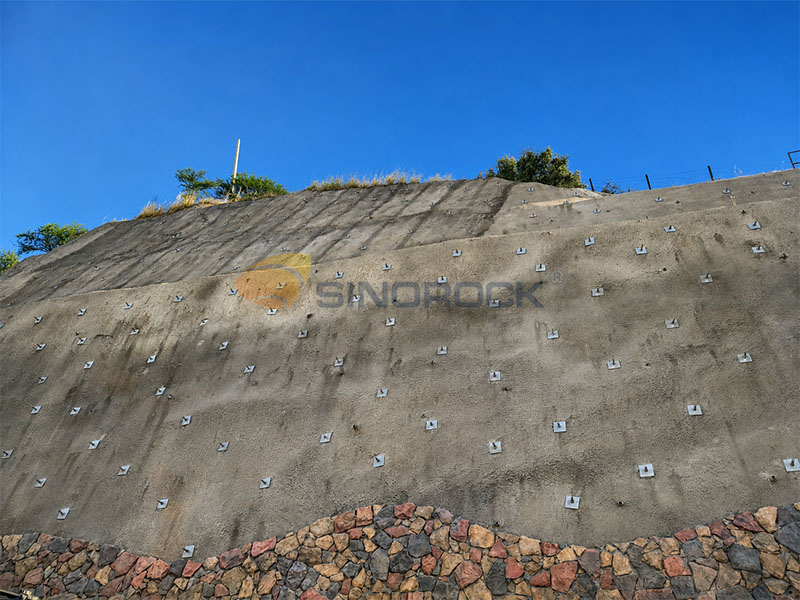
Soil nails reinforce the soil mass and increase resistance to slope movement. They are widely used for highway, railway, infrastructure, and natural slope stabilization.
Foundation Support
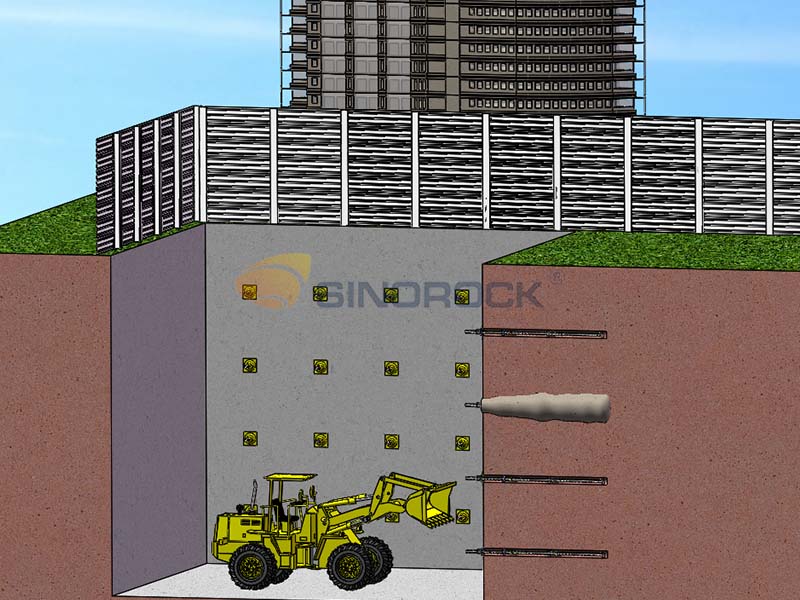
Soil nailing can provide flexible support for foundation pits and other excavations, particularly where space for conventional retaining structures is limited.
Landslide Stabilization
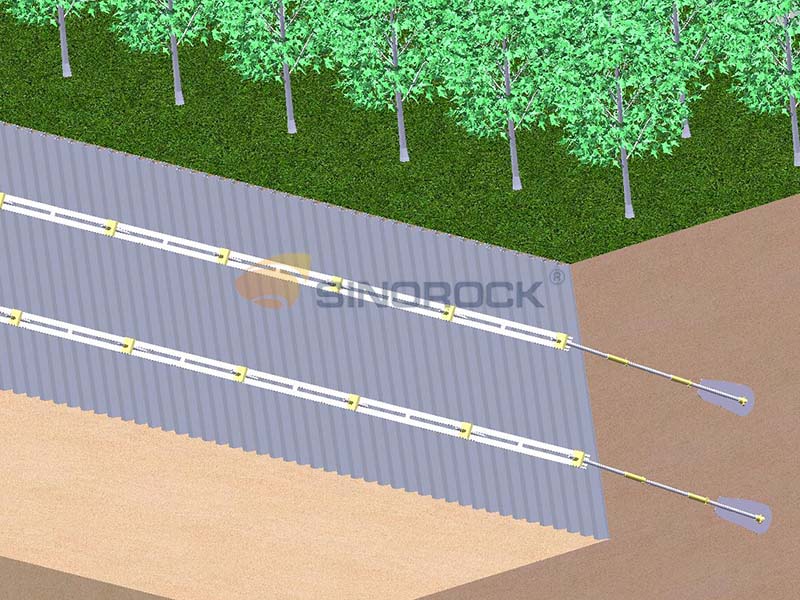
Self-drilling soil nails can be useful in unstable or collapsing ground where maintaining an open drilled hole is difficult.
Retaining Structures
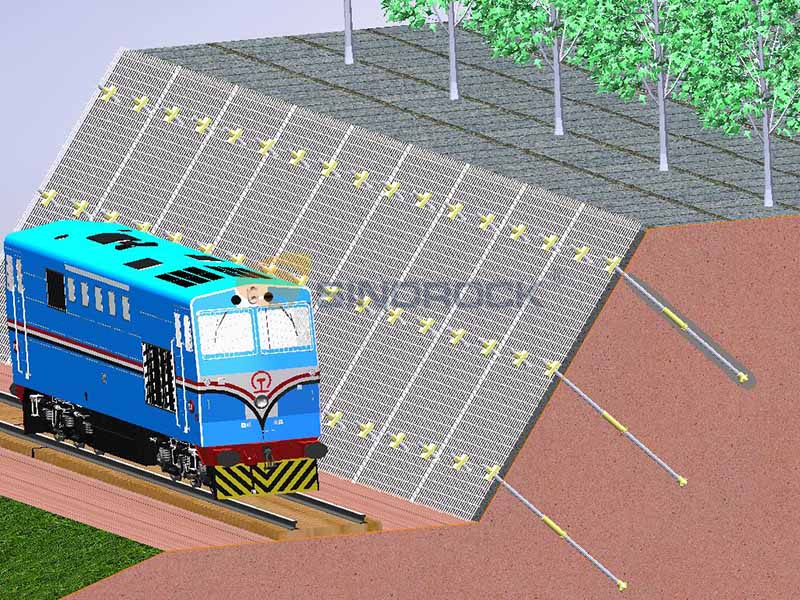
Soil nails can be combined with reinforced shotcrete and drainage systems to form a flexible retaining structure.
Tunnel Portals and Cut Slopes
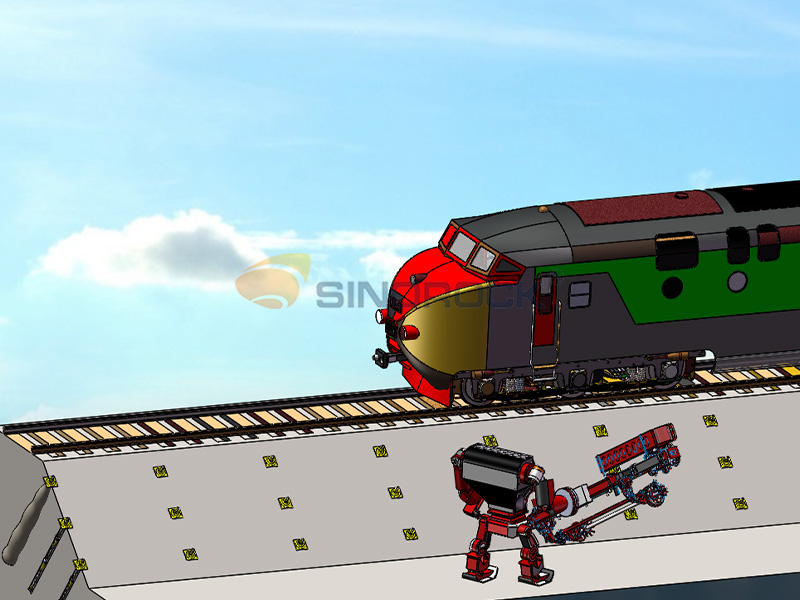
Soil nailing can also be used to reinforce slopes and excavated surfaces around tunnel portals and other transition zones between soil and rock.
Conclusion
Understanding the types of soil nailing requires more than simply listing different soil nail products. The appropriate soil nail type depends on the specific project conditions, including soil and groundwater conditions, required structural performance, construction access, installation requirements, corrosion exposure, and design service life.
Among these systems, self-drilling hollow-bar soil nails are particularly suitable for loose, unstable, and difficult ground where maintaining an open borehole can be challenging. By integrating drilling, reinforcement installation, and grouting into one construction process, they can provide an efficient and adaptable solution for slope stabilization and excavation support.