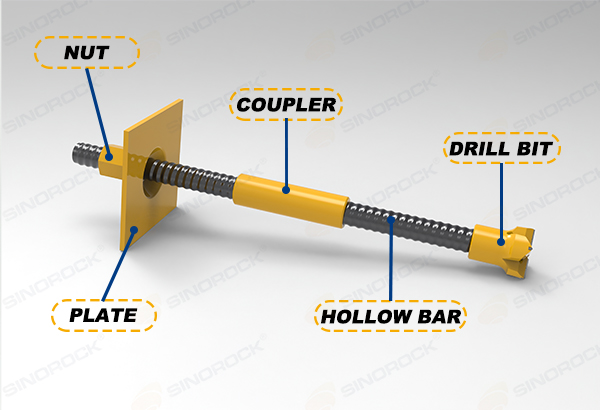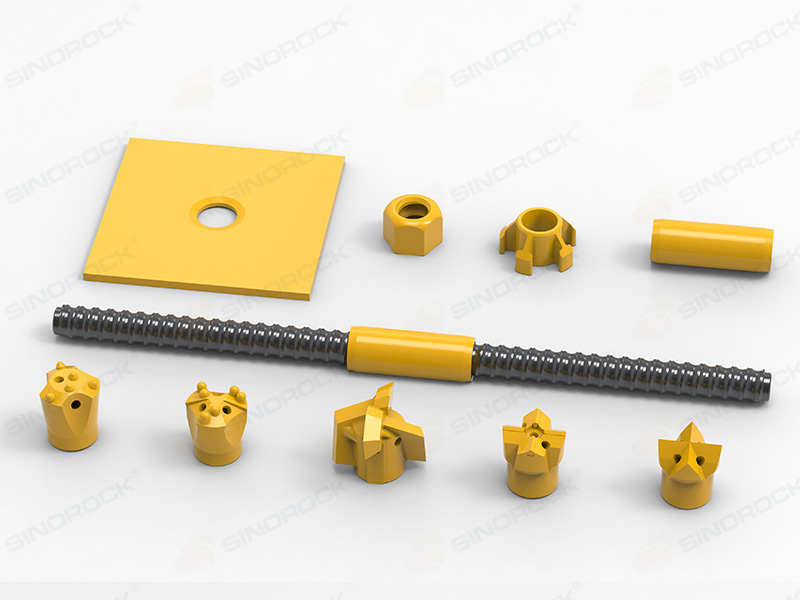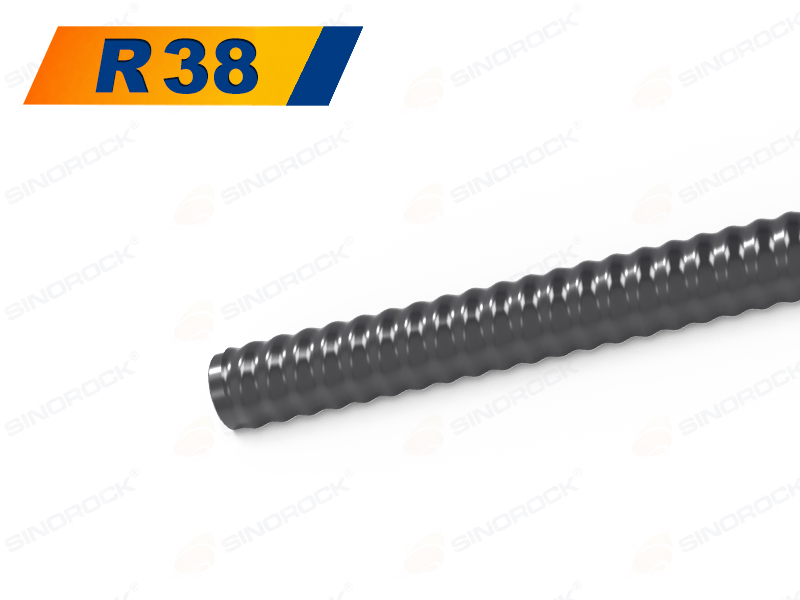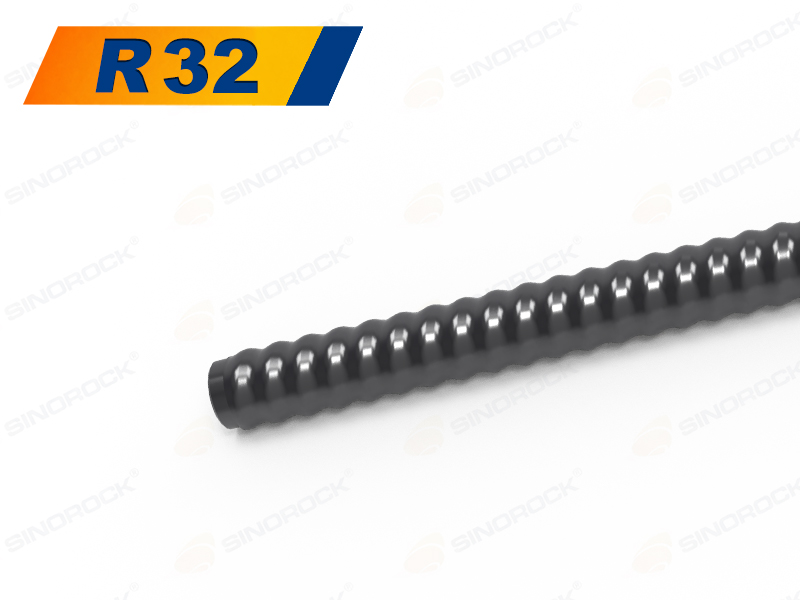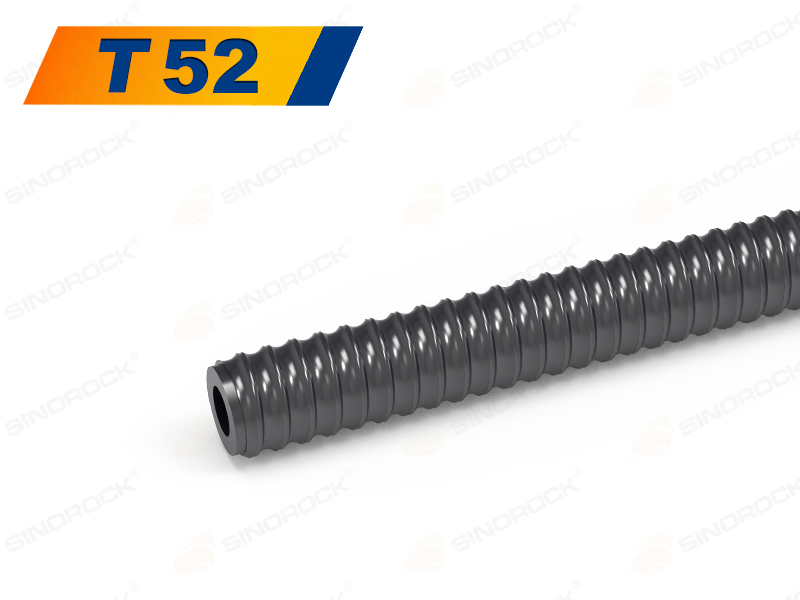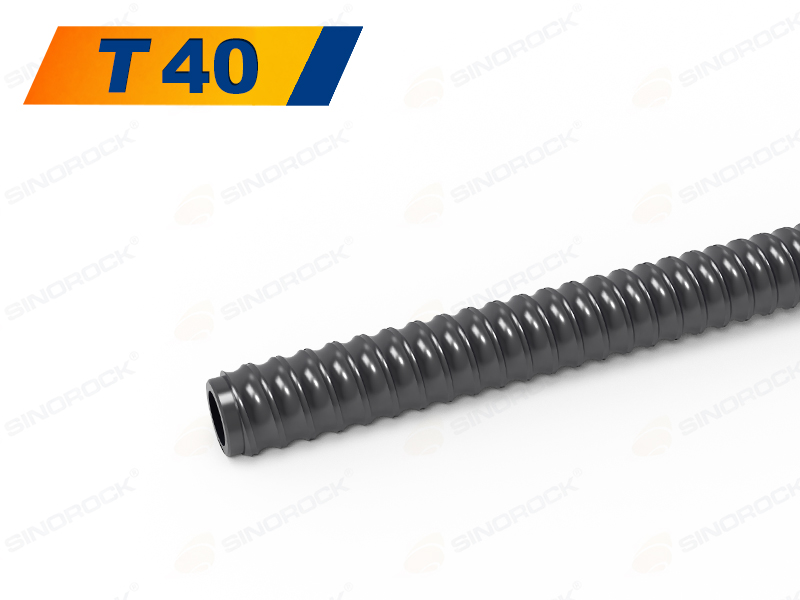
Selecting the right drill bit diameter for different self-drilling anchor bar sizes is essential for efficient drilling, proper grouting, and reliable ground reinforcement. The optimal diameter varies depending on the anchor bar specification, drill bit type, and geological conditions. In this guide, Sinorock explains the recommended and acceptable drill bit diameter ranges for different anchor bar sizes, covering carbide drill bits, steel drill bits, and clay bits, to help engineers and contractors make informed decisions for their projects.
Why Is Drill Bit Diameter Important for Self-Drilling Anchor Bars?
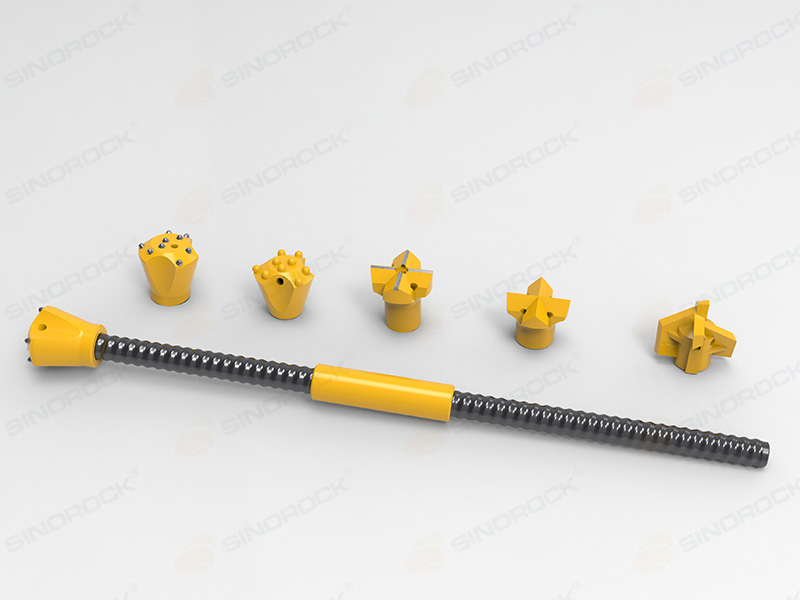
Self-drilling anchor bars integrate drilling, grouting, and reinforcement functions into a single system. They are widely used in slope stabilization, tunnel support, foundation reinforcement, and micropile applications.
Selecting the appropriate drill bit diameter is essential for achieving efficient drilling, suitable borehole dimensions, and sufficient space for grout flow. An undersized drill bit may result in insufficient annular clearance, while an oversized drill bit may increase drilling resistance, material consumption, and construction costs.
The ideal drill bit diameter depends on several factors, including anchor bar size, drill bit type, ground conditions, borehole requirements, and grouting methods.
Drill Bit Diameter Compatibility Guidelines
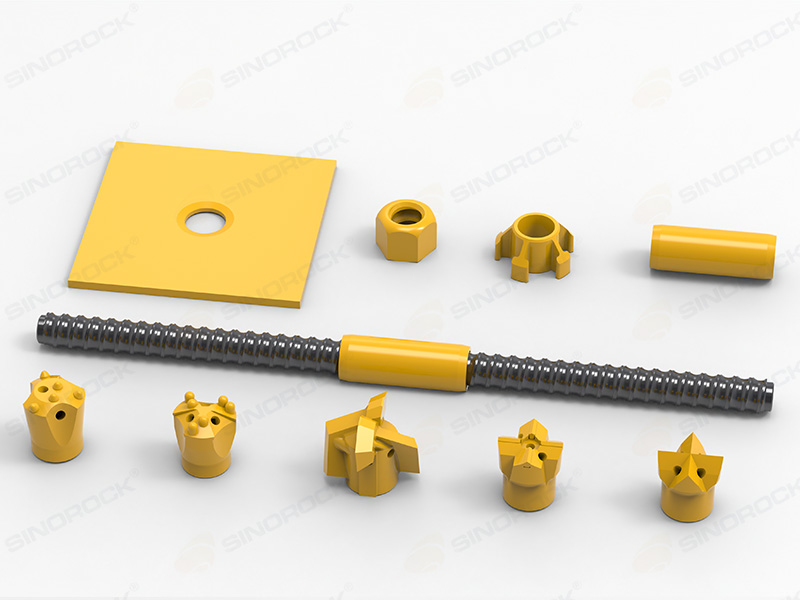
Self-drilling anchor bars can be paired with different drill bit types according to the geological conditions and project requirements.
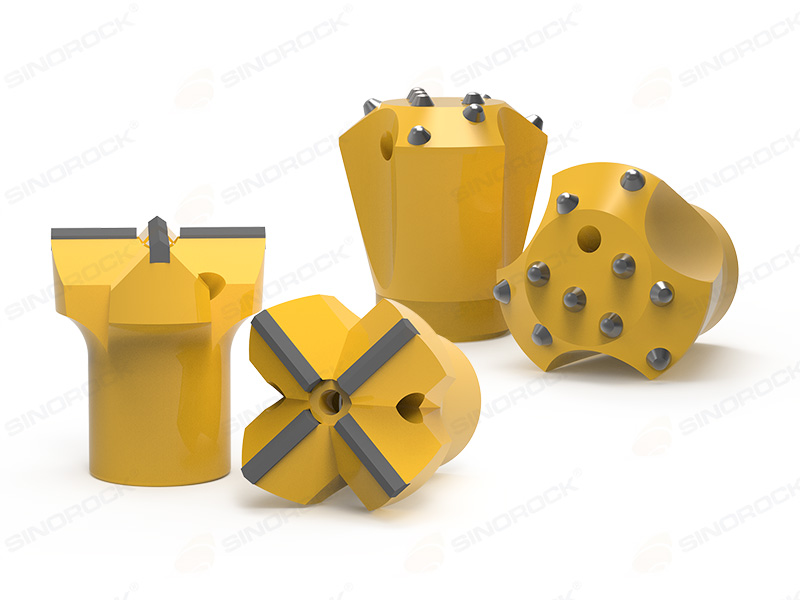
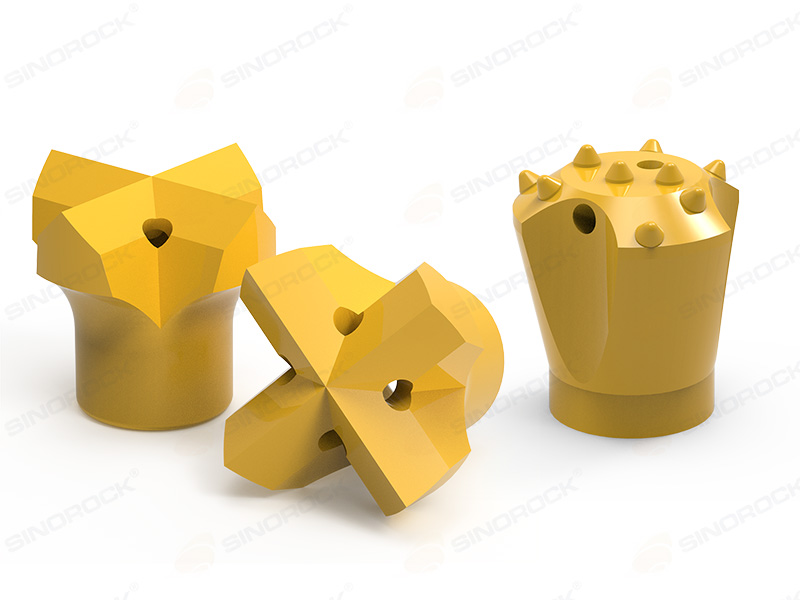
- Carbide drill bits: Suitable for various rock formations, with selection depending on rock hardness, abrasiveness, and drilling requirements.
- Steel drill bits: Used in suitable ground conditions, with compatible diameters selected according to the anchor bar specification and drilling requirements.
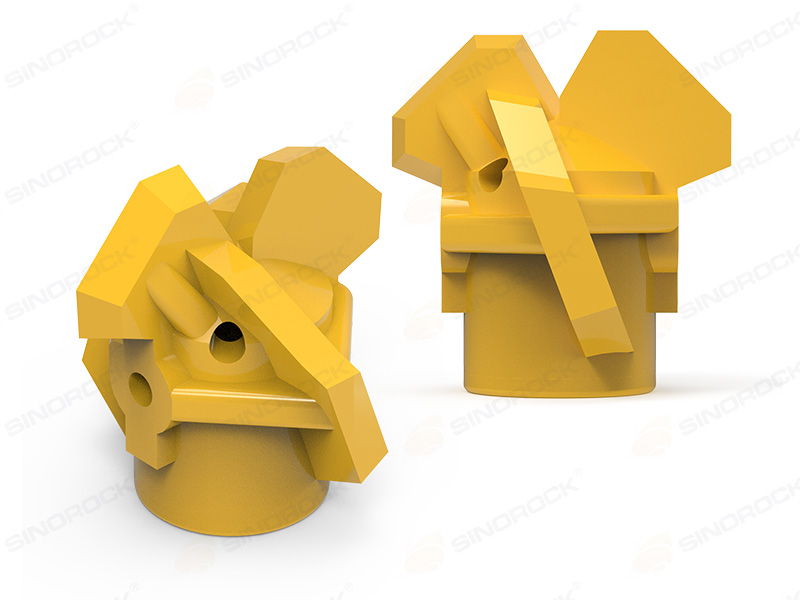
- Clay bits: Designed for appropriate soft-ground conditions, where cutting performance, spoil removal, and borehole stability are important considerations.
For each anchor bar specification, the optimal drill bit diameter range should be the first reference for selection. The acceptable range provides additional options when project conditions require adjustments.
These ranges are intended as preliminary selection guidance. Final compatibility should be confirmed based on the ground conditions, drilling equipment, connection design, and project specifications.
Recommended Drill Bit Diameters for Different Anchor Bar Sizes
The following tables provide recommended and acceptable drill bit diameter ranges for different self-drilling anchor bar specifications. All dimensions are in millimeters (mm).
Carbide Drill Bit Diameter Compatibility
| Bar Size | Optimal matching drill bit outer diameter (mm) | Acceptable drill bit outer diameter (mm) |
| R25 | 42~51 | 35~64 |
| R28 | 42~51 | 38~76 |
| R32 | 51~76 | 42~100 |
| R38 | 64~90 | 56~120 |
| R51 | 90~115 | 76~150 |
| T30 | 51~76 | 42~100 |
| T40 | 64~90 | 56~120 |
| T52 | 90~115 | 76~150 |
| T64 | 100~130 | 90~175 |
| T73 | 130~175 | 100~200 |
| T76 | 130~175 | 100~200 |
| T103 | 200~250 | 170~300 |
| T111 | 200~250 | 170~300 |
| T127 | 220~300 | 200~350 |
| T130 | 220~300 | 220~350 |
| T150 | 300~400 | 250~450 |
| T200 | 350~500 | 300~600 |
Steel Drill Bit Diameter Compatibility
| Bar Size | Optimal matching drill bit outer diameter (mm) | Acceptable drill bit outer diameter (mm) |
| R25 | 42~51 | 35~76 |
| R28 | 42~51 | 38~90 |
| R32 | 51~90 | 42~100 |
| R38 | 64~100 | 56~130 |
| R51 | 90~130 | 76~150 |
| T30 | 51~90 | 42~100 |
| T40 | 64~100 | 56~130 |
| T52 | 90~130 | 76~150 |
| T64 | 100~150 | 90~200 |
| T73 | 130~175 | 100~220 |
| T76 | 130~175 | 100~220 |
| T103 | 200~250 | 170~350 |
| T111 | 200~250 | 170~350 |
| T127 | 220~300 | 200~380 |
| T130 | 220~300 | 220~400 |
| T150 | 300~400 | 250~450 |
| T200 | 350~500 | 300~600 |
Clay Bit Diameter Compatibility
| Bar Size | Optimal matching drill bit outer diameter (mm) | Acceptable drill bit outer diameter (mm) |
| R25 | 64~90 | 51~130 |
| R28 | 64~90 | 51~130 |
| R32 | 76~115 | 64~150 |
| R38 | 90~115 | 64~150 |
| R51 | 130~175 | 76~250 |
| T30 | 76~115 | 64~150 |
| T40 | 90~115 | 64~150 |
| T52 | 115~175 | 76~250 |
| T64 | 150~200 | 115~250 |
| T73 | 175~250 | 150~300 |
| T76 | 175~250 | 150~300 |
| T103 | 250~300 | 200~350 |
| T111 | 250~300 | 200~350 |
| T127 | 275~320 | 220~380 |
| T130 | 275~320 | 220~380 |
When selecting a drill bit, engineers should consider both the anchor bar specification and the drill bit type. The same anchor bar may require different drill bit diameters depending on the drilling method and ground conditions.
How to Select the Right Drill Bit Diameter
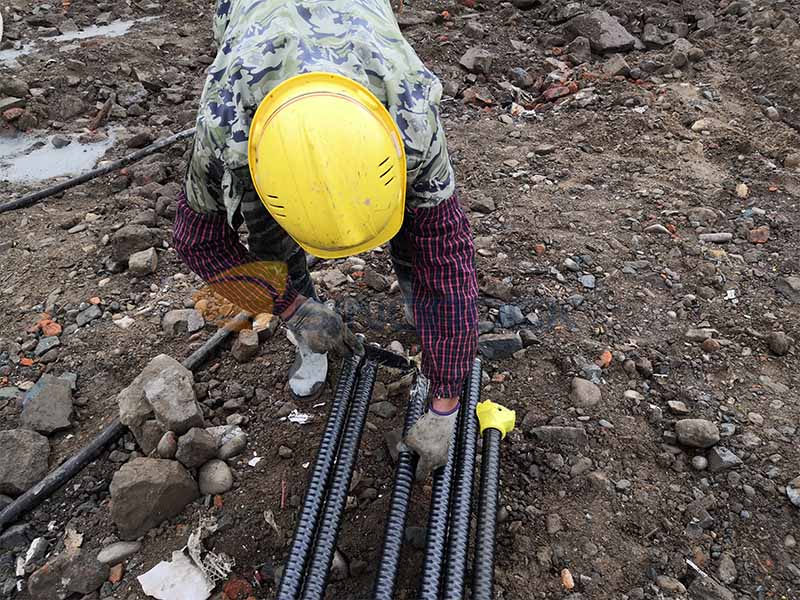
Identify the anchor bar specification
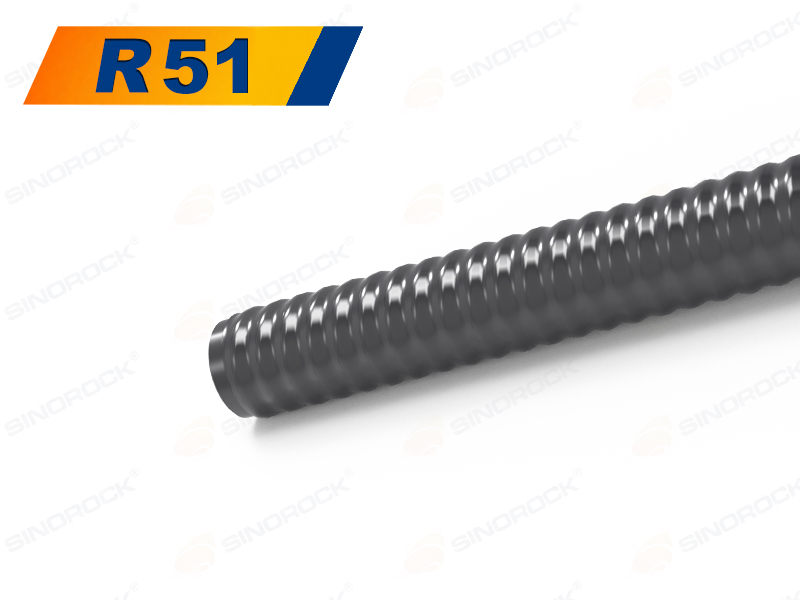
Determine the exact anchor bar model, such as R25. R32. R51. T76. or T103. Each specification has its own dimensional and compatibility requirements.
Evaluate the ground conditions
Consider rock hardness, abrasiveness, soil composition, fractured formations, and groundwater conditions to determine the most suitable drill bit type.
Refer to the optimal diameter range
Use the recommended range for the selected anchor bar and drill bit type as the primary selection reference. If the project requires a different borehole diameter, evaluate whether an alternative size is suitable.
Verify system compatibility
Check the connection between the drill bit and anchor bar, as well as drilling equipment capacity, spoil removal, grout clearance, and the specified borehole diameter.
For unusual geological conditions or non-standard configurations, consult the supplier before finalizing the selection.
What Happens If the Drill Bit Diameter Is Incorrect?
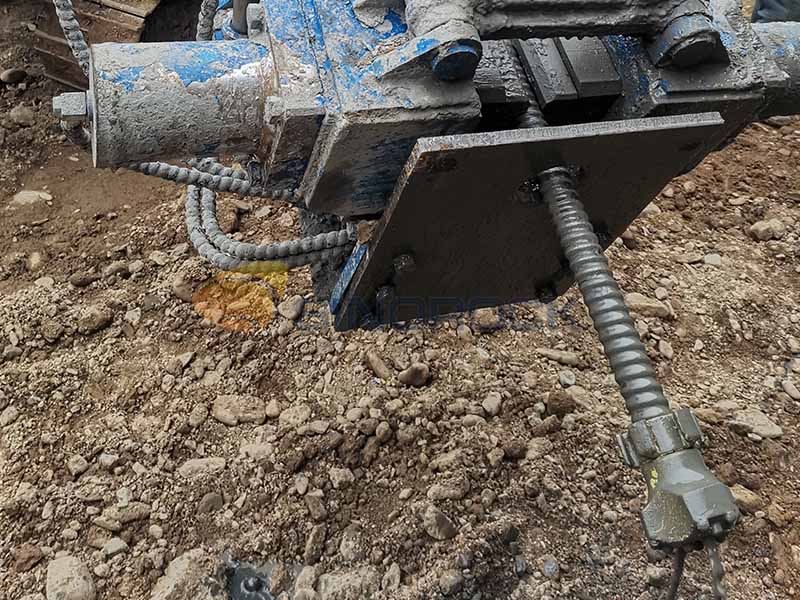
An unsuitable drill bit diameter may affect drilling performance and construction quality.
- Diameter too small: May reduce annular clearance and restrict the space available for grout flow.
- Diameter too large: May increase drilling resistance, bit wear, and material consumption, and may affect borehole stability under certain ground conditions.
- Incorrect drill bit type: May reduce drilling efficiency or cause difficulties with spoil removal.
- Incompatible connections: A suitable diameter alone does not guarantee compatibility between the drill bit and anchor bar.
The actual impact depends on geological conditions, drilling parameters, equipment configuration, and grouting methods.
Conclusion
Choosing the right drill bit diameter for a self-drilling anchor bar requires more than matching nominal sizes. The anchor bar specification, drill bit type, geological conditions, borehole requirements, and grouting process must all be considered.
Using the optimal diameter range as the primary reference can help engineers narrow down suitable options and improve drilling efficiency. Final selection should always be verified against project requirements and system compatibility.
Sinorock can assist with evaluating self-drilling anchor bar and drill bit combinations based on project specifications, ground conditions, and construction requirements.